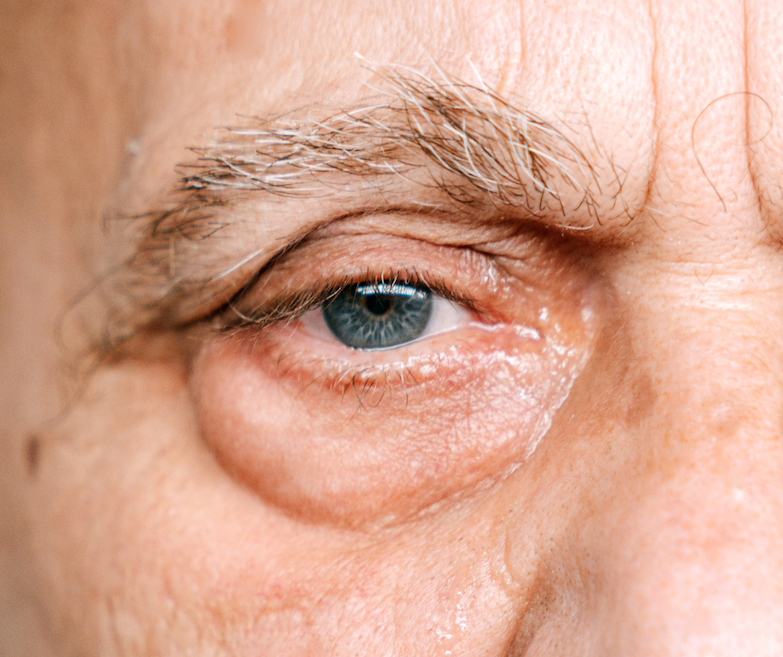
Glaucoma is a disease that effects the optic nerve in the back of your eye. This is the nerve that takes the visual information that enters the eye and carries it to the back of the brain where it is processed into the pictures that we see.
Glaucoma is often called the “silent thief of sight” because 30-50% of the nerve tissue needs to be damaged before a person is symptomatic of any vision loss from glaucoma. The problem is that once a person notices that they aren’t seeing as well from glaucoma, that damage is permanent and can’t be repaired.
A dilated eye exam, where the doctor thoroughly examines the optic nerve, is the most important test for determining if a person is at risk for developing glaucoma. During this exam, the doctor will look at the size of the nerve, the contour of the nerve tissue and the retinal tissue surrounding the optic nerve. If the person’s nerve looks suspicious for glaucoma, the doctor will often get baseline photographs to compare over time. Your doctor will also get a scan of the optic nerve, an OCT, and preform visual field testing to assess your vision in more detail.
Contrary to what is commonly thought, having a normal eye pressure does not mean that you don’t have glaucoma. Studies have shown that 30-40% of glaucoma patients never have an elevated pressure over 21. Also, some patients can have an eye pressure over 21 and never develop glaucoma. We do know that once it has been determined that a person has glaucoma, lowering their pressure below what is normal for a particular patient is effective at treating glaucoma.
As stated earlier, a dilated eye exam is critical to the diagnosis of glaucoma, the following is how frequently you should have a dilated eye exam:
- 20s to 40s a dilated eye exam every 2 years is recommended
- 40s to 60s a dilated eye exam every 1-2 years is recommended
- Over 60 yearly dilated eye exams are recommended
Your doctor may recommend more frequent examinations if you have any of the following risk factors:
- Family history of glaucoma
- High level of nearsightedness
- Steroid use
- Thin corneal thickness
- Diabetes or cardiovascular disease
- History of an eye injury
The doctors at Summit Eye Center are skilled at the diagnosis and treatment of patients with glaucoma. These examinations are done at each location, Lee’s Summit, Sedalia and Warsaw.