
Glaucoma Info, Symptoms, and Ophthalmologist Recommended Treatment Options
What Is Glaucoma?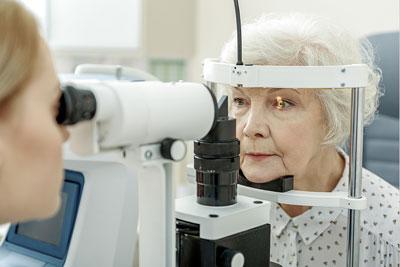
Glaucoma is a disease that results in damage to the optic nerve. The optic nerve is responsible for carrying the visual information from the eye to the back of the brain where it is processed into the images that we see.
Glaucoma typically has no symptoms early in the disease process. As a result, Glaucoma is often called the “silent thief of sight.” This lack of symptoms early on makes yearly dilated eye exams important for detection and diagnosis of glaucoma.
Types of Glaucoma
There are multiple types of glaucoma with varying symptoms. These glaucoma variations can simply be broken down into the following three categories: open-angle glaucoma, closed angle glaucoma, and secondary glaucoma.
Open-Angle Glaucoma
Closed-Angle Glaucoma
Closed-angle glaucoma, a rare form of glaucoma, is a true medical emergency with immediate and noticeable symptoms. In closed-angle glaucoma, the drainage system of the eye closes off resulting in a rapid rise in eye pressure to levels of 3-4 times what is considered normal. Patient symptoms often include extreme pain, headache, and nausea. Closed-angle glaucoma patients need emergency treatment to prevent and/or minimize permanent vision loss that can occur quickly at eye pressures this high.
Secondary Glaucoma
How Is Glaucoma Treated?
Glaucoma is treated by lowering the pressure within the eye. Whether your eye pressure is elevated or within what is considered the normal range, we know that lowering your pressure from your baseline is effective at treating glaucoma.
There are several ways that the glaucoma doctors at Summit Eye Center can lower your eye pressure.

-
Glaucoma Medications
Glaucoma medication eye drops lower the pressure within the eye by either increasing the outflow of fluid within the eye or decreasing the production of fluid in the eye.
Depending on the glaucoma medication used, a patient may need to be dosed once or twice a day. It is common for a patient to require more than one medication to control their pressure over the course of their lifetime.
There are also sustained release versions of glaucoma medications that can be implanted into a patient’s eye to minimize the need for daily eye drops. These can last up to 3 years.
-
Laser Procedures
Selective Laser Trabeculoplasty (SLT) is a laser procedure that can lower the pressure within one’s eye by opening the pores within the trabecular meshwork, the spongy tissue that lines the eye’s drainage system.
Laser Peripheral Iridotomy (LPI) is a laser procedure where a small hole is created in the peripheral edge of the iris, the colored part of the eye. This allows the fluid in the eye to enter the drainage system of the eye more easily, preventing closed-angle glaucoma.
-
Minimally Invasive Glaucoma Surgery (MIGS)
Minimally Invasive Glaucoma Surgery (MIGS) consists of several procedures that can lower the pressure within the eye by enhancing the eye’s natural drainage system or creating a new one. These procedures have a lower risk than other forms of glaucoma surgery. MIGS procedures often have a rapid recovery. Because of this, MIGS procedures are commonly done at the same time as cataract surgery
-
Trabeculectomy and Drainage Implants
Trabeculectomy and Drainage Implants are surgeries that bypass the eye’s traditional drainage system. These procedures result in the lowest eye pressures. Trabeculectomy and drainage implants are used when medication, laser treatments, and MIGS treatments cannot keep the eye at a safe pressure to preserve one’s vision.
Frequent Asked Questions About Glaucoma
The following are frequent questions we hear from glaucoma patients. If you’d like to discuss additional glaucoma questions, feel free to reach out to our glaucoma doctors near you to schedule an appointment.
Is there a cure for glaucoma?
No, glaucoma is a chronic condition that requires regular examination and testing with your eye doctor.
How do I know if I have glaucoma?
Because there are usually no symptoms of glaucoma early on, it is important to have yearly, dilated eye exams. During these exams, the doctor will carefully examine your optic nerve and assess any risk factors you may have.
Is glaucoma hereditary?
There is a hereditary component to glaucoma. So, if you have a family member with glaucoma, you have a higher risk.
Content written by Kelsey J. Kleinsasser, O.D.
Content medically reviewed by Kevin R. Skelsey, M.D., F.A.C.S.
